Vertical Studio II
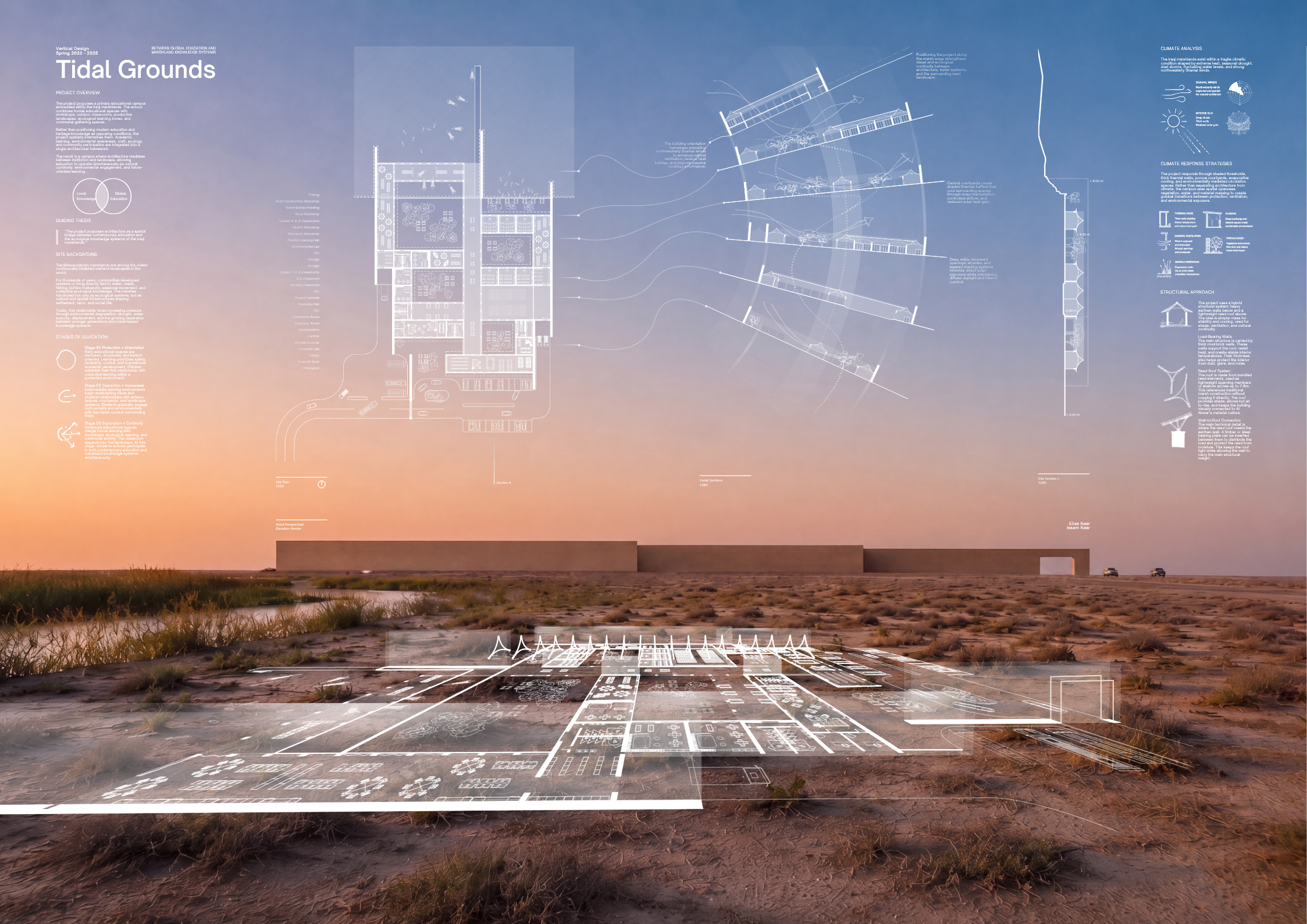
The studio aimed to develop a primary school on the tidal edge of Al Ahwar marshes in Iraq. Students were encouraged to incorporate communal functions in dynamic relation to the core school functions, using local material and environmental consideration.
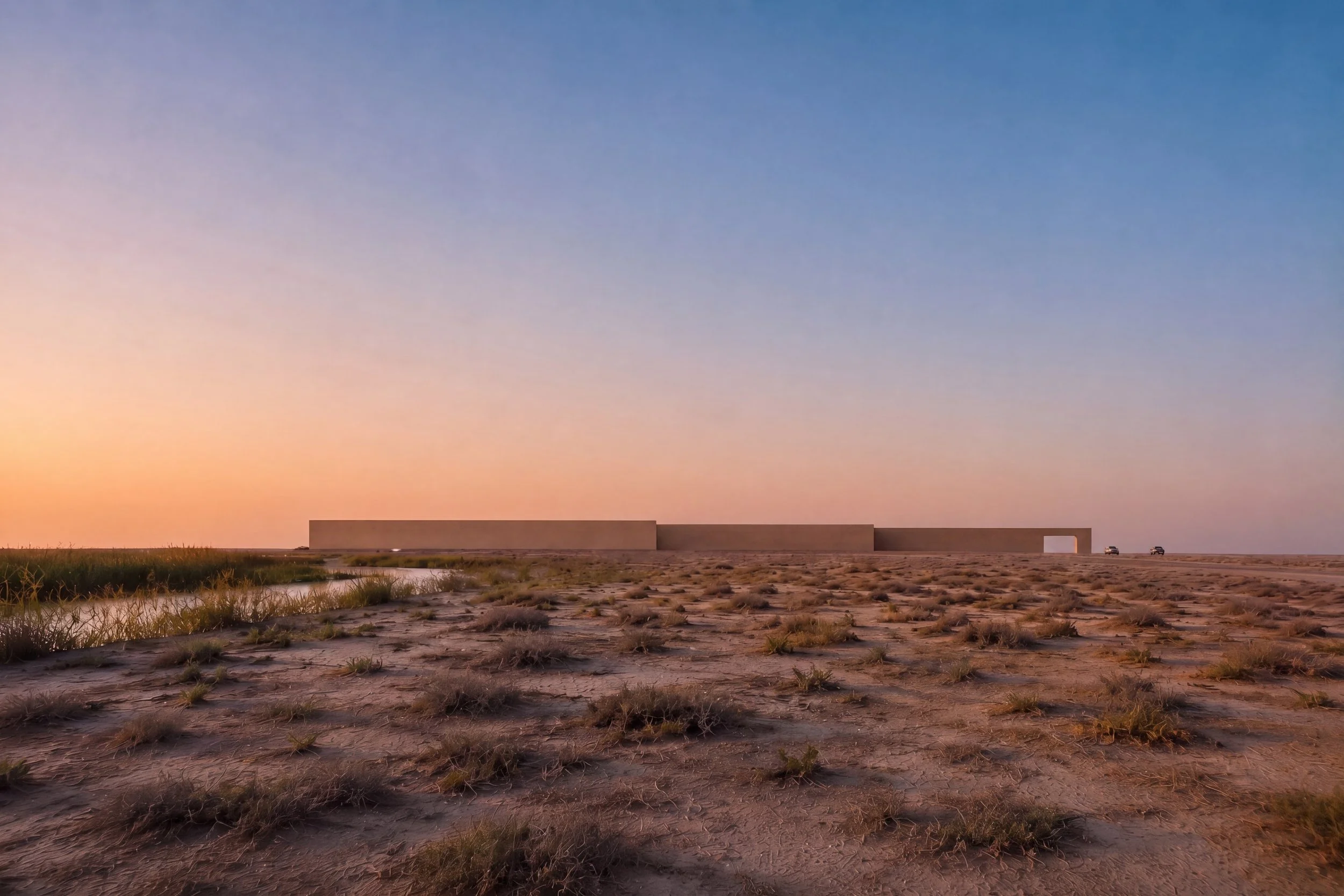
The project proposes a primary educational campus embedded within the Iraqi marshlands. The school combines formal educational spaces with workshops, outdoor classrooms, productive landscapes, ecological learning zones, and communal gathering spaces.
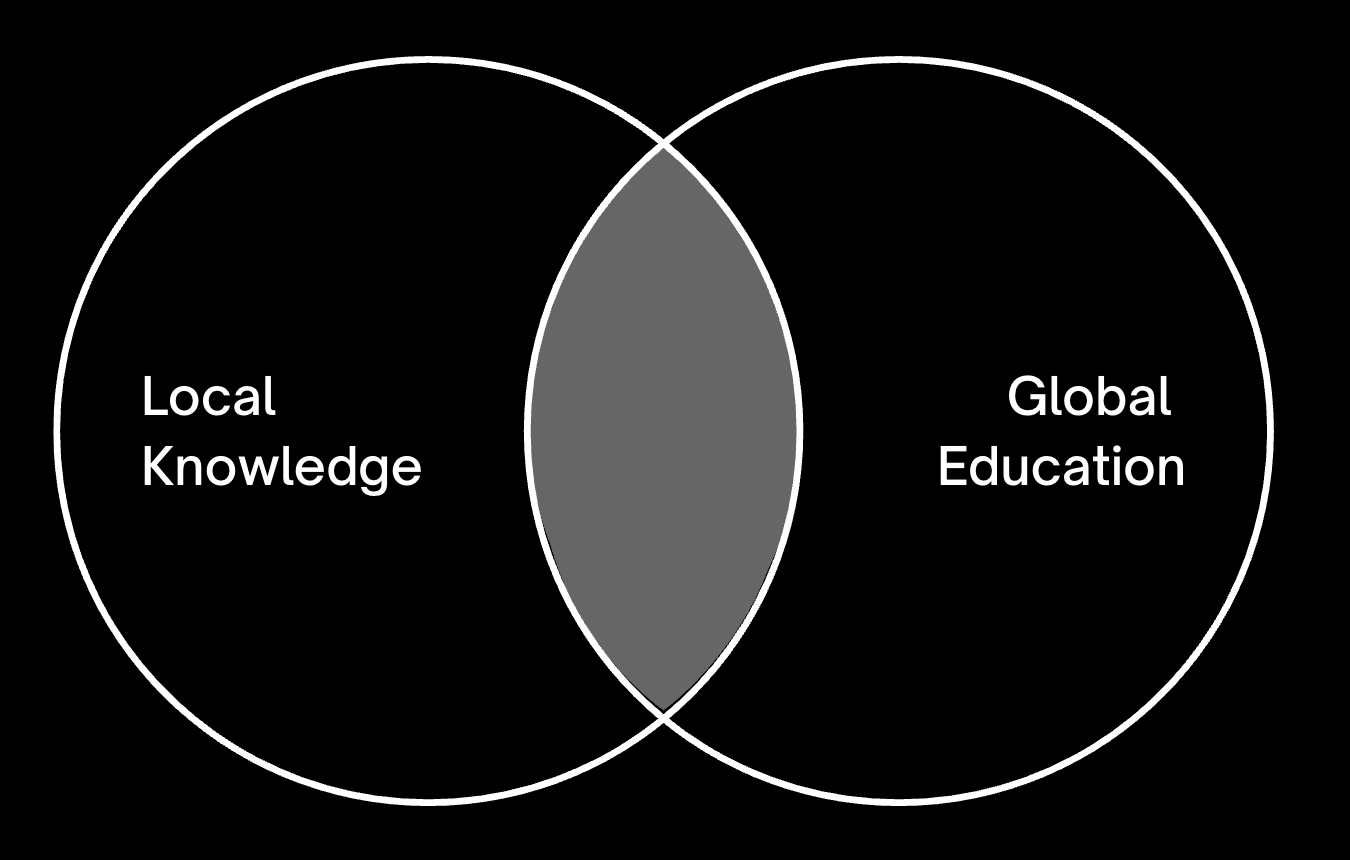
Rather than positioning modern education and heritage knowledge as opposing conditions, the project spatially intertwines them. Academic learning, environmental awareness, craft, ecology, and community participation are integrated into a single architectural framework.
The result is a campus where architecture mediates between institution and landscape, allowing education to operate simultaneously as cultural continuity, environmental engagement, and future-oriented learning.
The Mesopotamian marshlands are among the oldest continuously inhabited wetland landscapes in the world.
For thousands of years, communities developed systems of living directly tied to water, reeds, fishing, buffalo husbandry, seasonal movement, and collective ecological knowledge. The marshes functioned not only as ecological systems, but as cultural and spatial infrastructures shaping settlement, labor, and social life.
Today, this relationship faces increasing pressure through environmental degradation, drought, water scarcity, displacement, and the growing separation between younger generations and marsh-based knowledge systems.
“The project proposes architecture as a spatial bridge between contemporary education and the ecological knowledge systems of the Iraqi marshlands.”
Stage 01: Protection + Orientation
Early educational spaces are enclosed, structured, and inward-oriented. Learning prioritizes safety, familiarity, routine, and foundational academic development. Children establish their first relationship with collective learning within a protected environment.
Stage 02: Interaction + Awareness
Intermediate learning environments begin establishing visual and physical relationships with exterior spaces, courtyards, and landscape systems. Students gradually engage both socially and environmentally with the marsh context surrounding them.
Stage 03: Exploration + Continuity
Advanced educational spaces merge formal learning with workshops, ecological learning, and communal activity. The classroom expands into the landscape. At this stage, students actively participate in both contemporary education and marshland knowledge systems simultaneously.



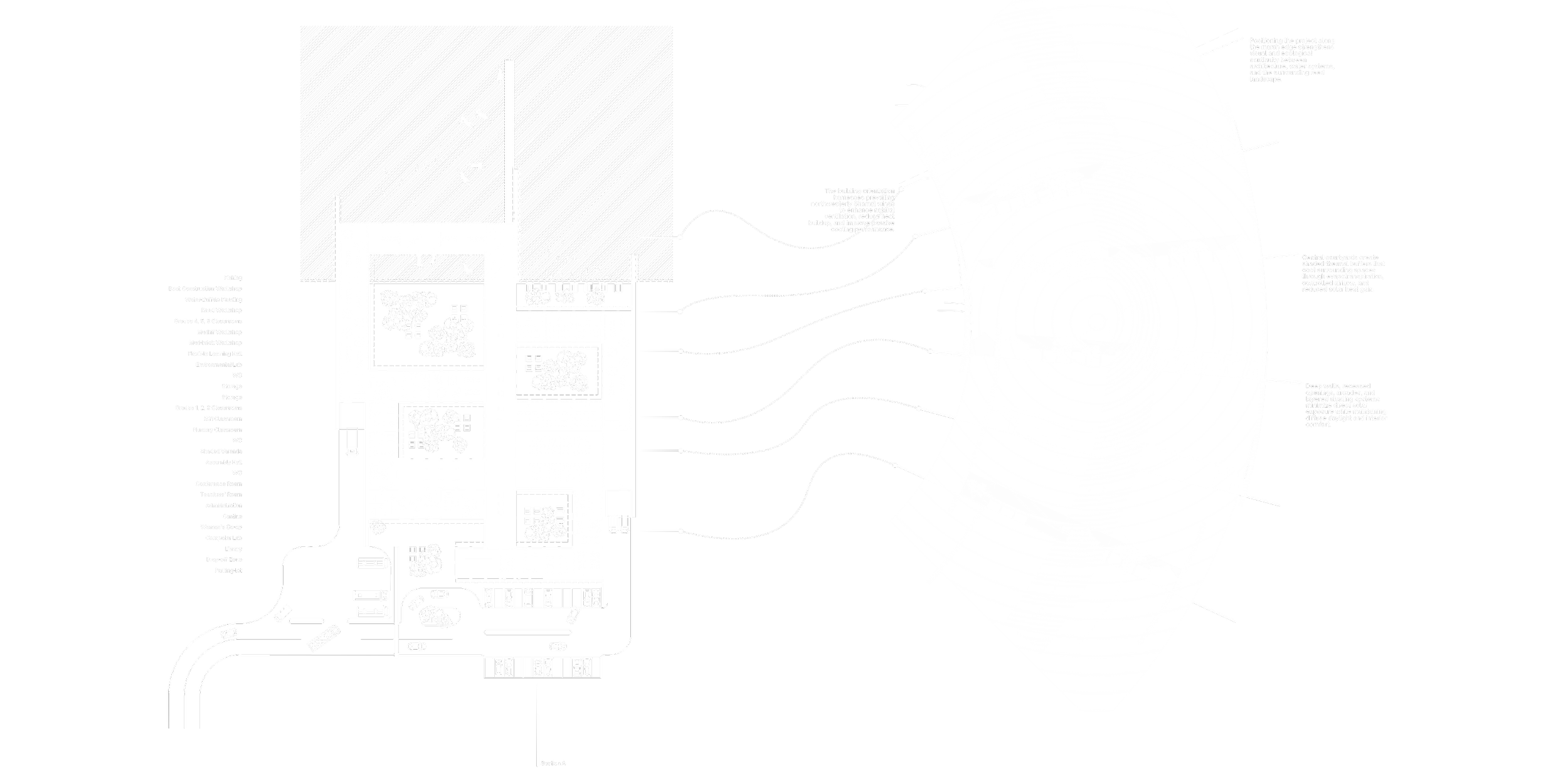
The Iraqi marshlands exist within a fragile climatic condition shaped by extreme heat, seasonal drought, dust storms, fluctuating water levels, and strong northwesterly Shamal winds.
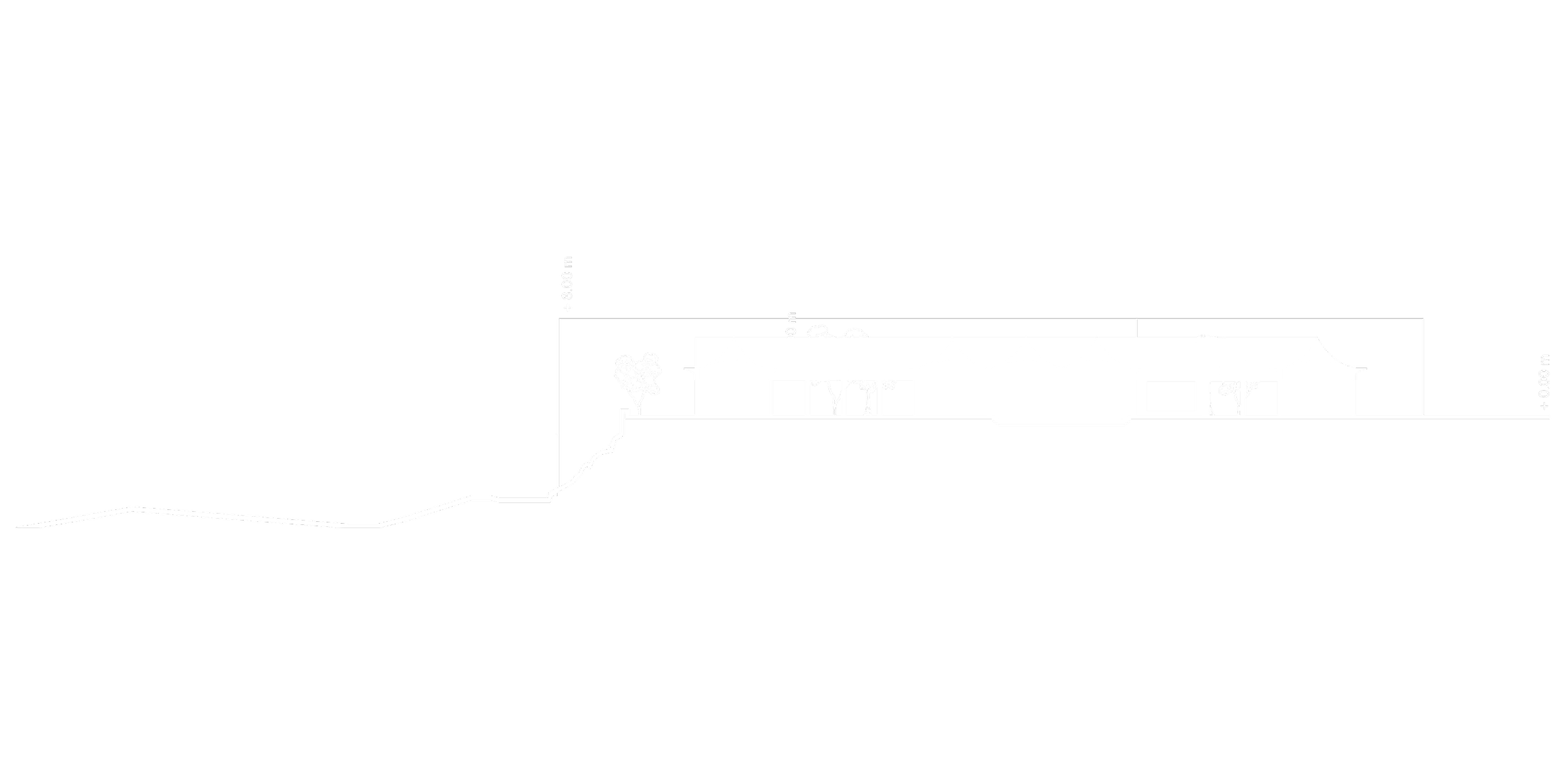
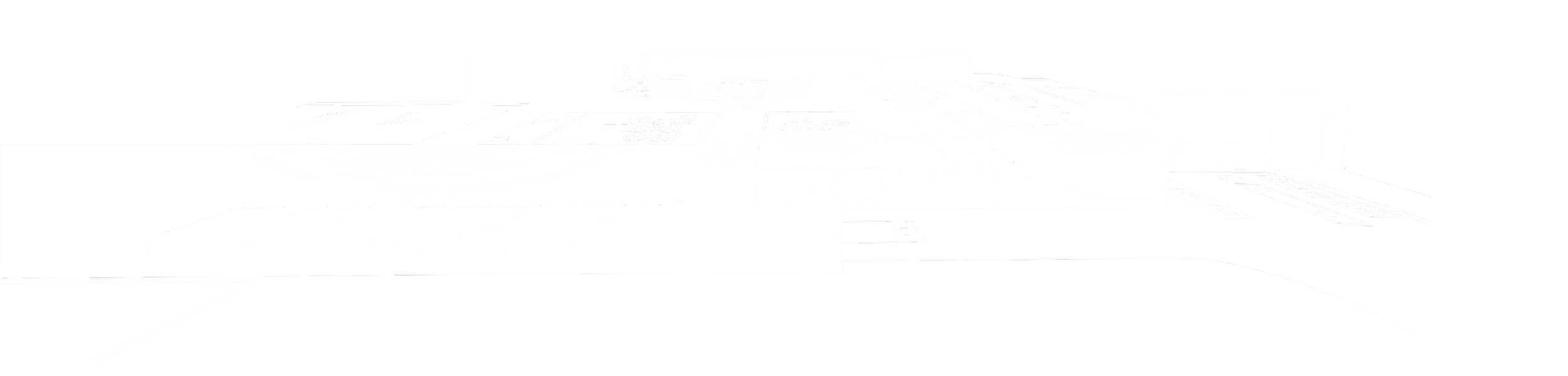
West Perspectival Elevation Render
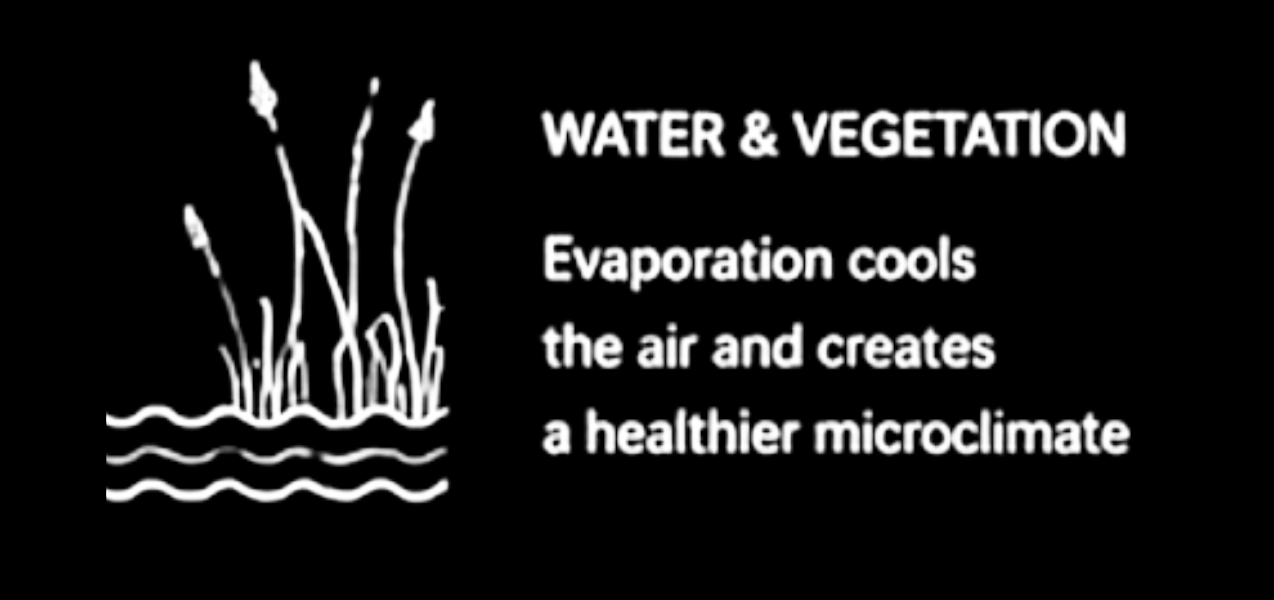
The project responds through shaded thresholds, thick thermal walls, porous courtyards, evaporative cooling, and environmentally mediated circulation spaces. Rather than separating architecture from climate, the campus uses spatial openness, vegetation, water, and material massing to create gradual transitions between protection, ventilation, and environmental exposure.
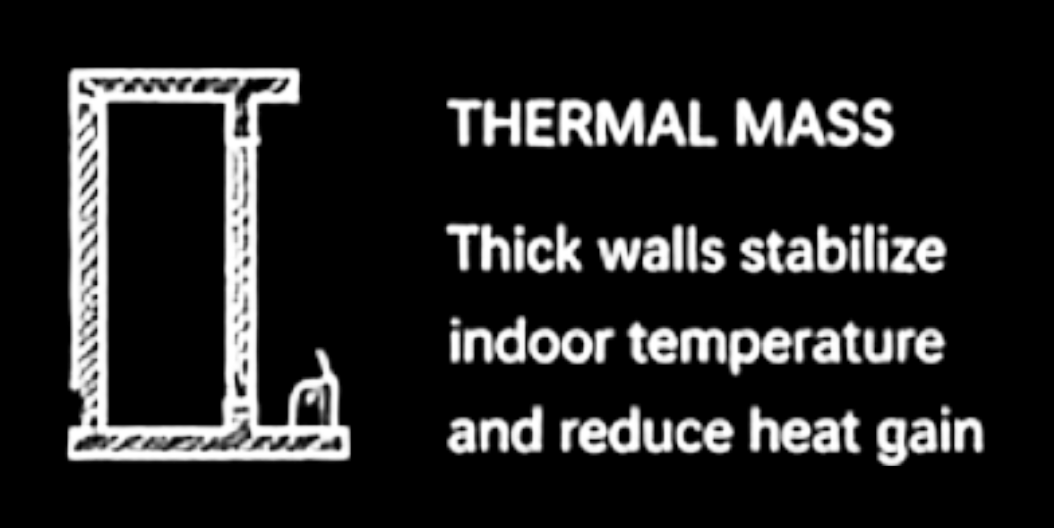
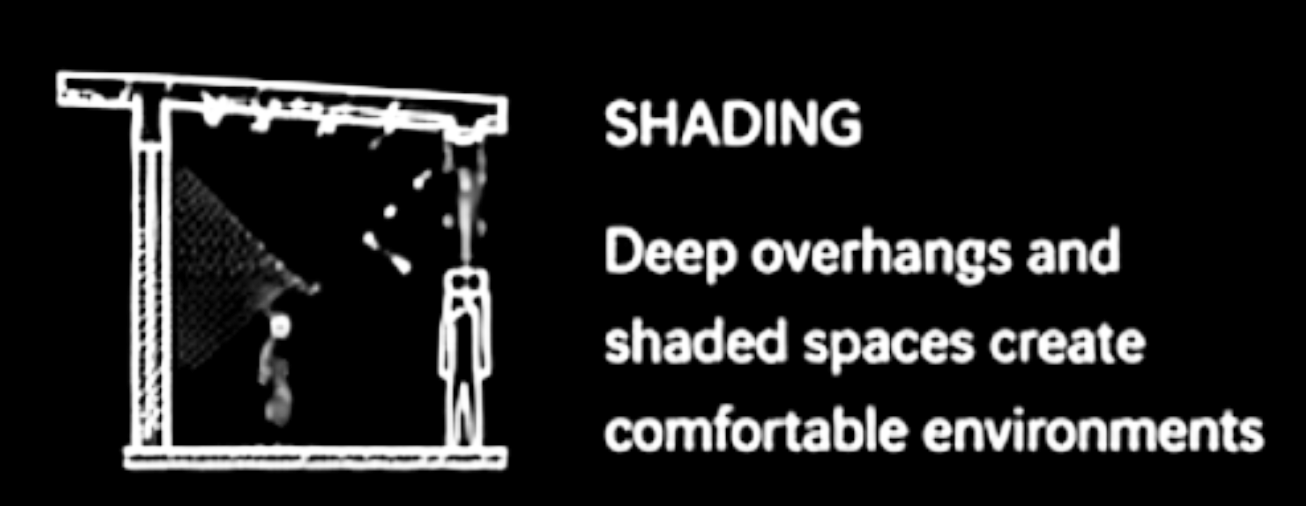
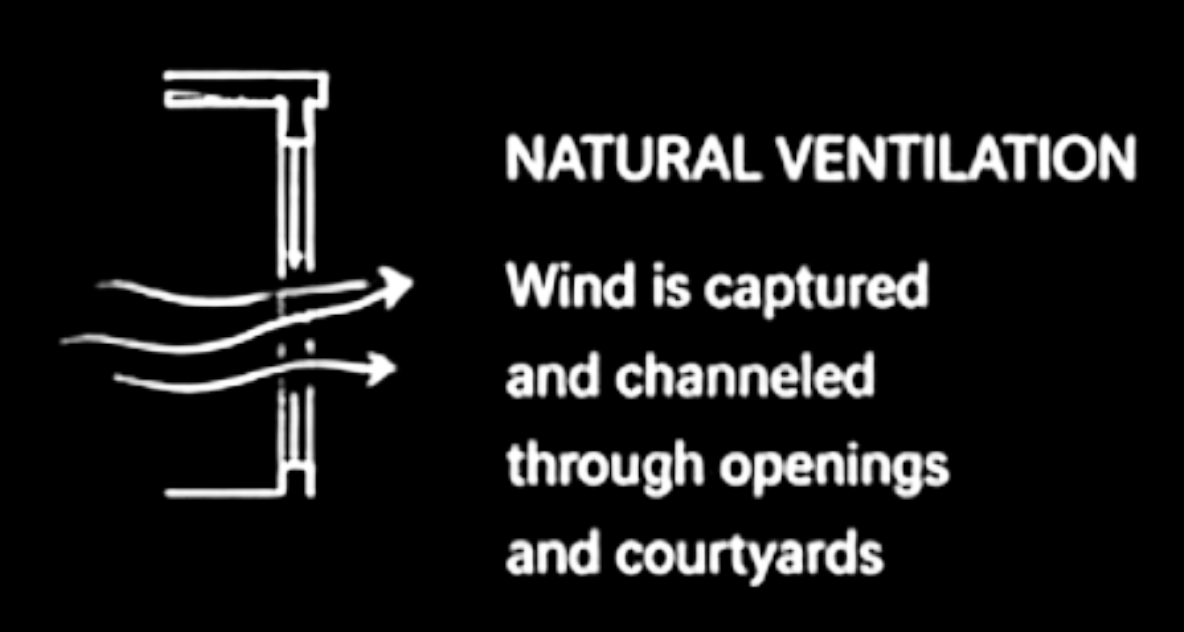
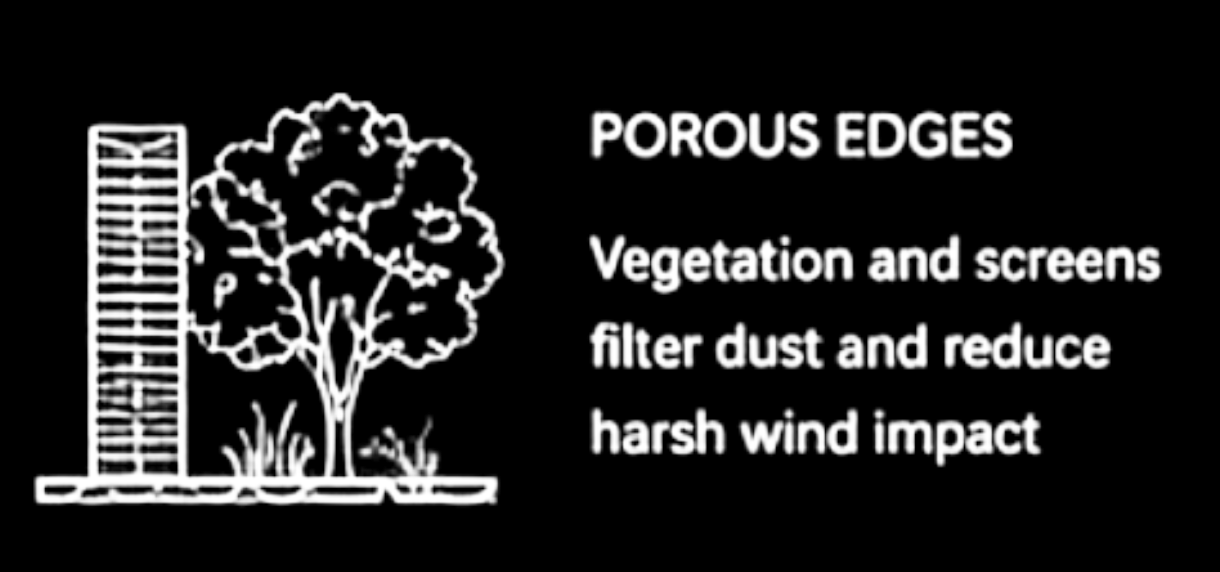
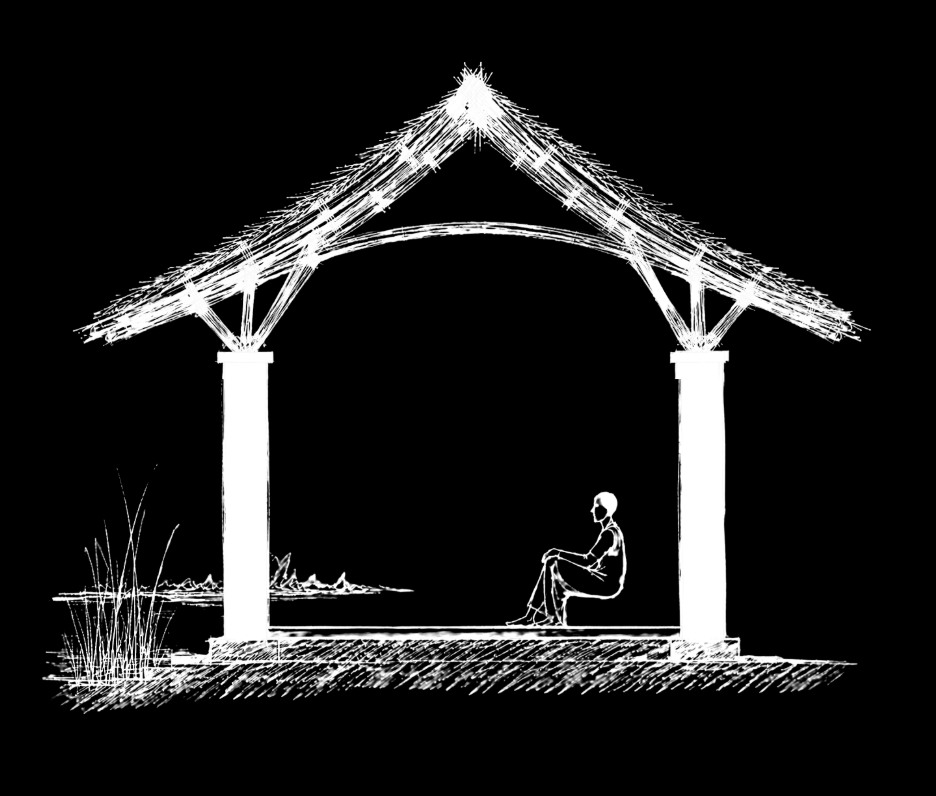
The project uses a hybrid structural system: heavy earthen walls below and a lightweight reed roof above. The idea is simple: mass for stability and cooling, reed for shade, ventilation, and cultural continuity.
Load-Bearing Walls
The main structure is carried by thick mud-brick walls. These walls support the roof, resist heat, and create stable interior temperatures. Their thickness also helps protect the interior from dust, glare, and noise.
Reed Roof System
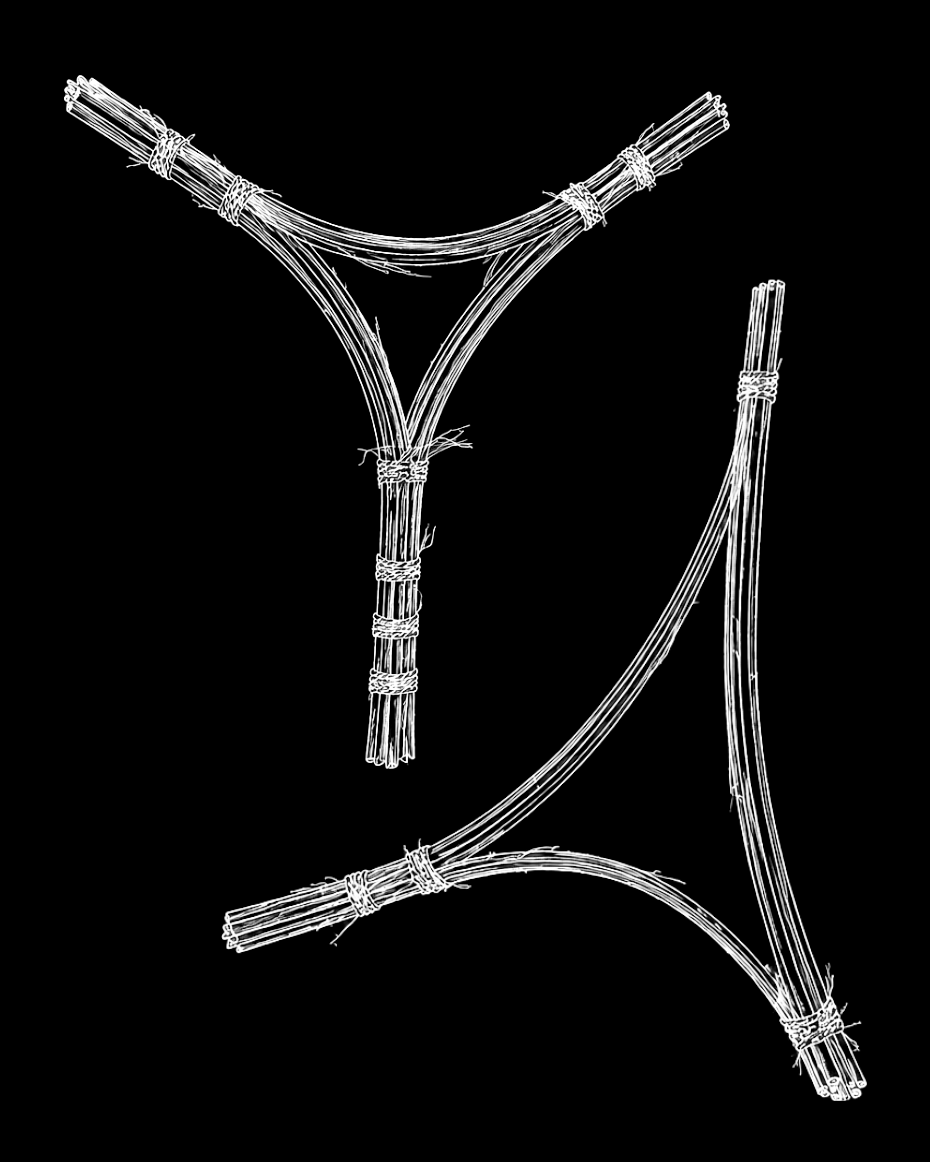
The roof is made from bundled reed elements, used as lightweight spanning members or shallow arches up to 7-8m. This references traditional marsh construction without copying it directly. The roof provides shade, allows hot air to rise, and keeps the building visually connected to Al Ahwar’s material culture.
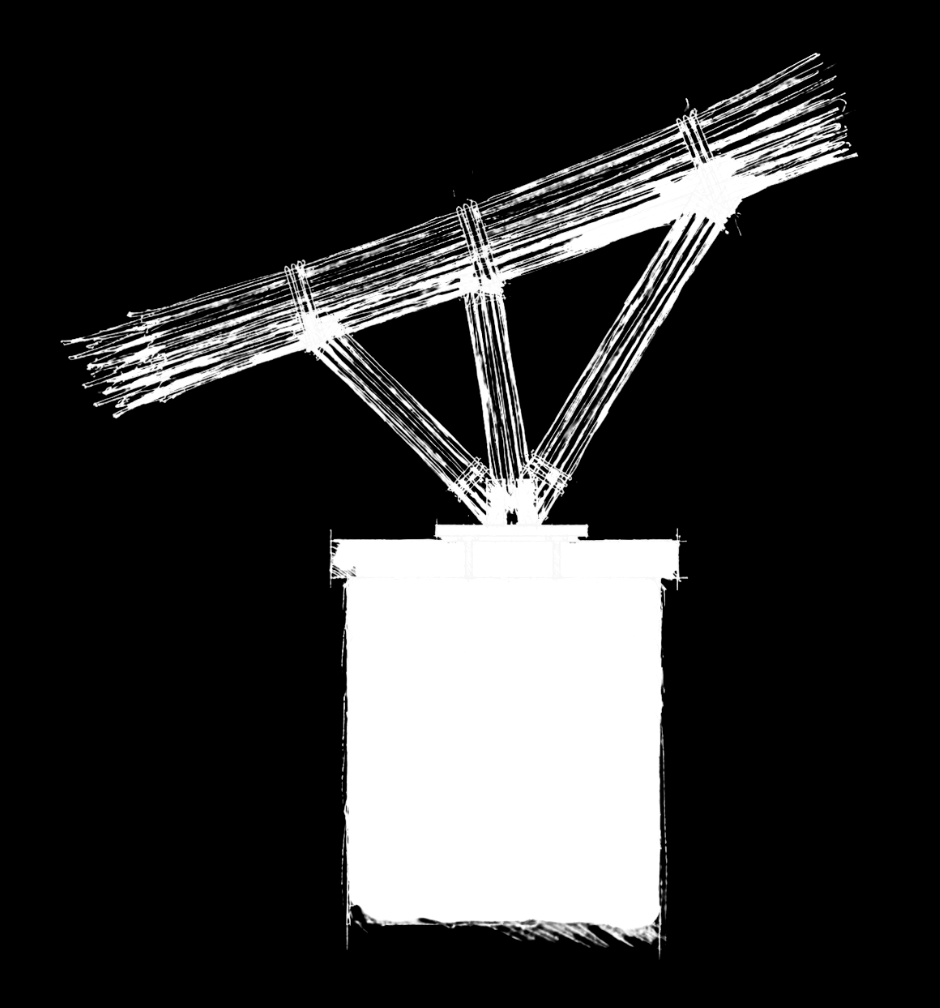
Wall-to-Roof Connection
The main technical detail is where the reed roof meets the earthen wall. A timber or steel bearing plate can be inserted between them to distribute the load and protect the reed from moisture. This keeps the roof light while allowing the wall to carry the main structural weight.